
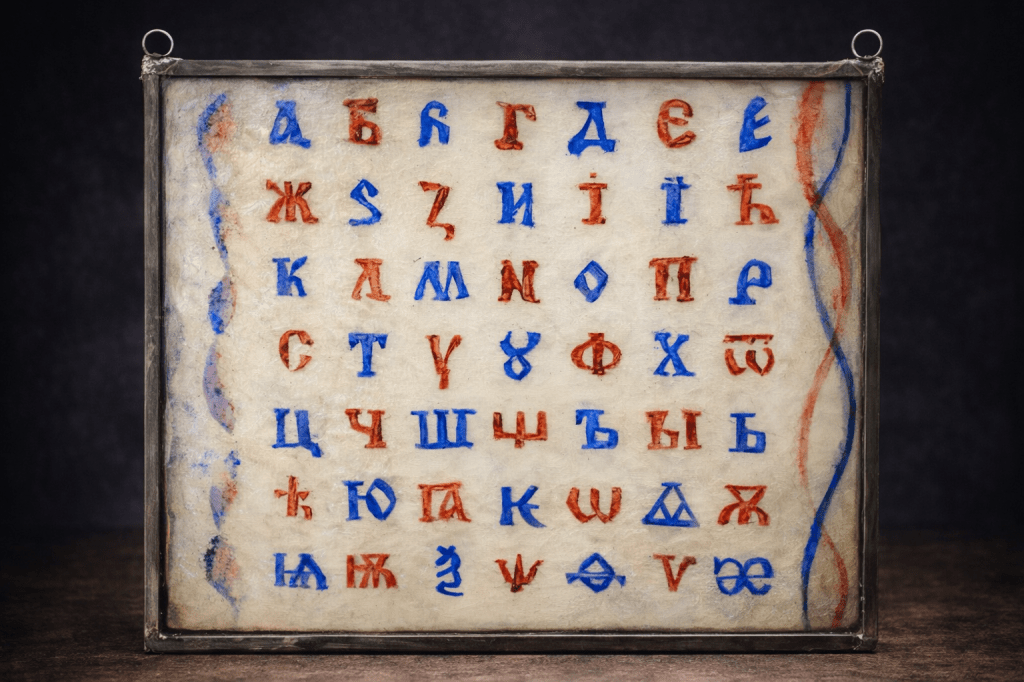
History and Meaning
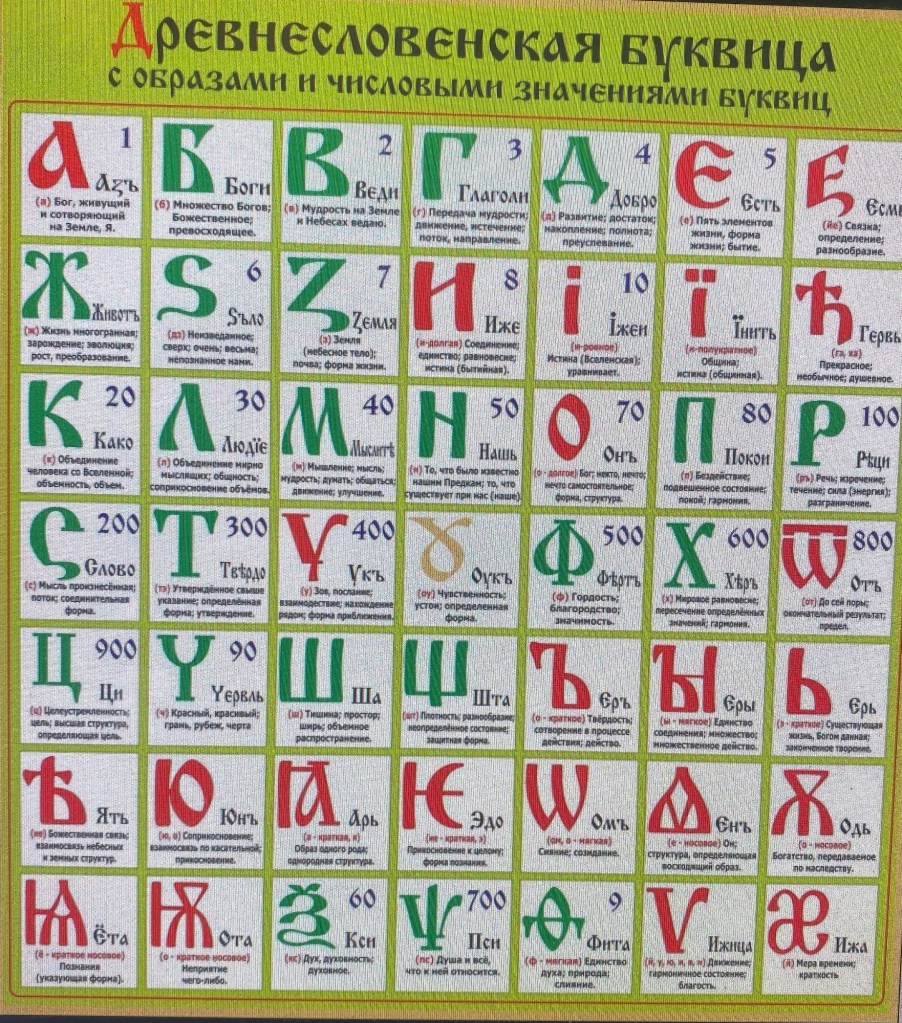
The Early Cyrillic alphabet, often called bukwica (from the word “bukwa” – letter), is the original version of the Cyrillic alphabet, which was created for the Old Church Slavonic language. This new writing system replaced the previously used Glagolitic alphabet, playing a key role in shaping the cultural and religious identity of the Slavs.
Origin and Creators of the Cyrillic alphabet
The Cyrillic alphabet was created in the 9th century by the disciples of Saints Cyril and Methodius, who are considered its spiritual fathers. Cyril and Methodius, two brothers from Thessaloniki, were missionaries who aimed to Christianize the Slavic peoples. To facilitate the spread of Christianity, they developed the Glagolitic alphabet, which became the first Slavic alphabet. However, to make the writing more accessible and closer to Greek, their students introduced the Cyrillic alphabet.
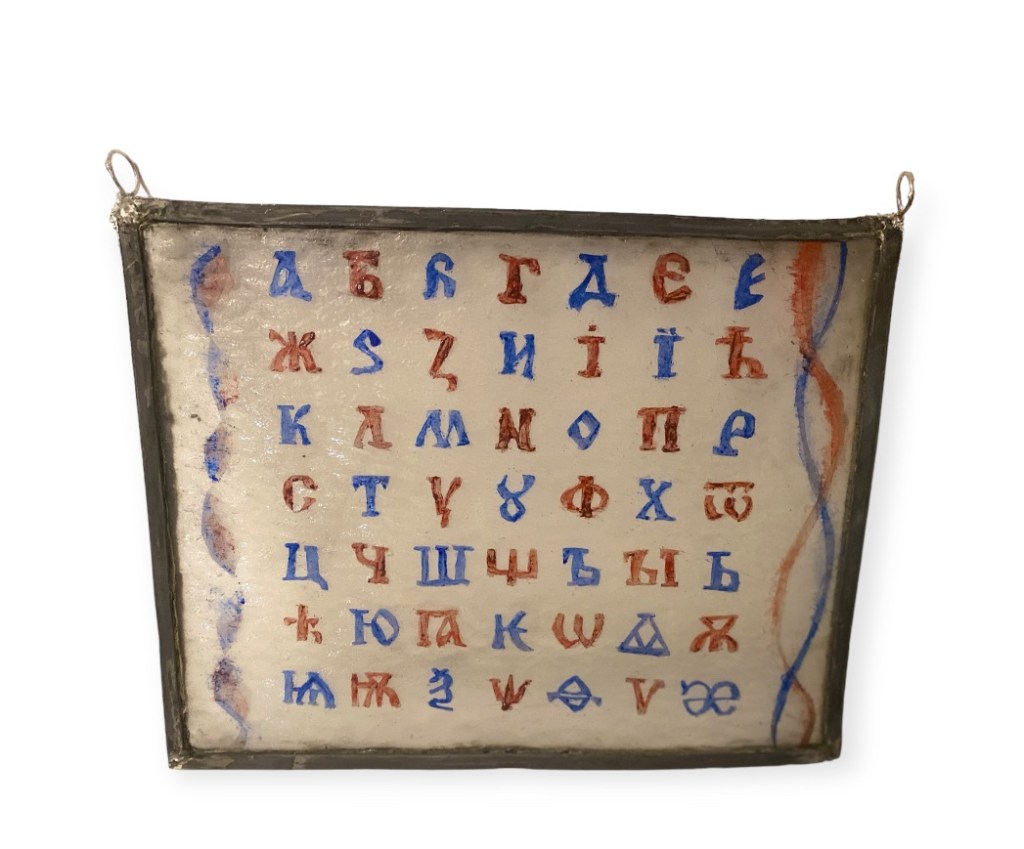
Stained glass sandblasted, painted, fired @monikaykaczyk
Early Cyrillic vs. Glagolitic alphabet
The Glagolitic alphabet, the older Slavic alphabet, was a complex system that did not gain wide acceptance beyond the immediate circle of Cyril and Methodius’s disciples. The early Cyrillic alphabet, unlike the Glagolitic alphabet, was simpler and more understandable, which made it more popular. The Cyrillic alphabet took many characters from the Greek alphabet, which made learning the script easier for those who were already familiar with Greek.
The structure of the Early Cyrillic alphabet
The early Cyrillic alphabet consisted of 24 letters of the Greek alphabet, enriched with additional characters that corresponded to the specific sounds of the Old Church Slavonic language. These additional letters were necessary to represent all Slavic phonemes that could not be rendered using the standard Greek alphabet.
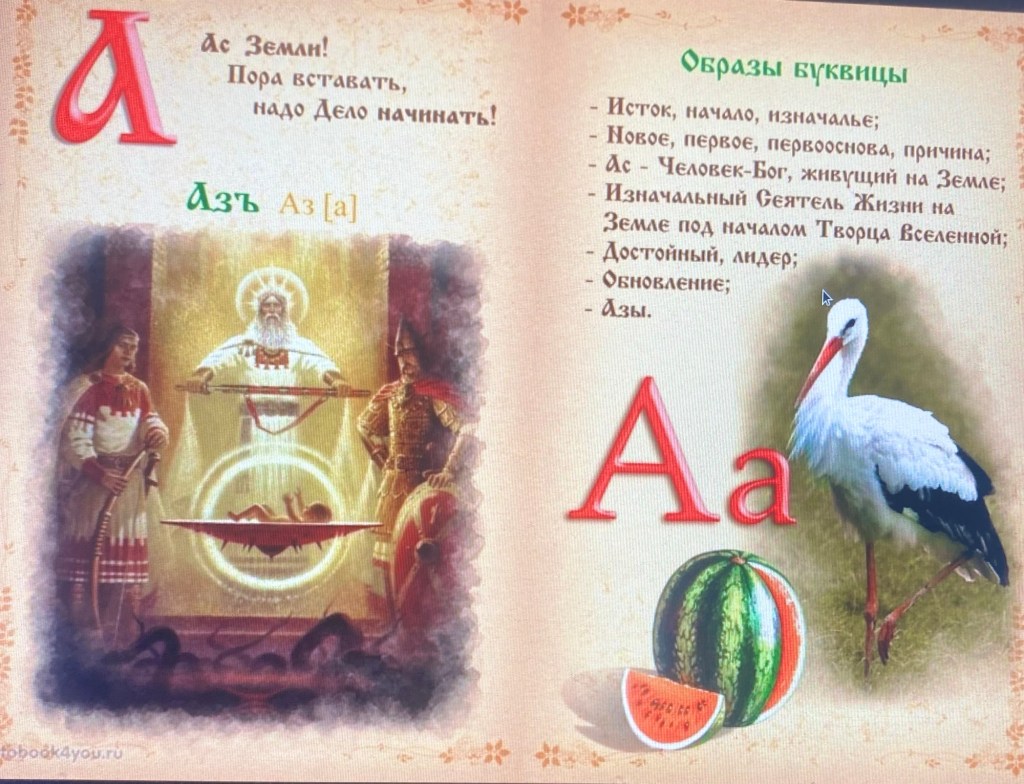

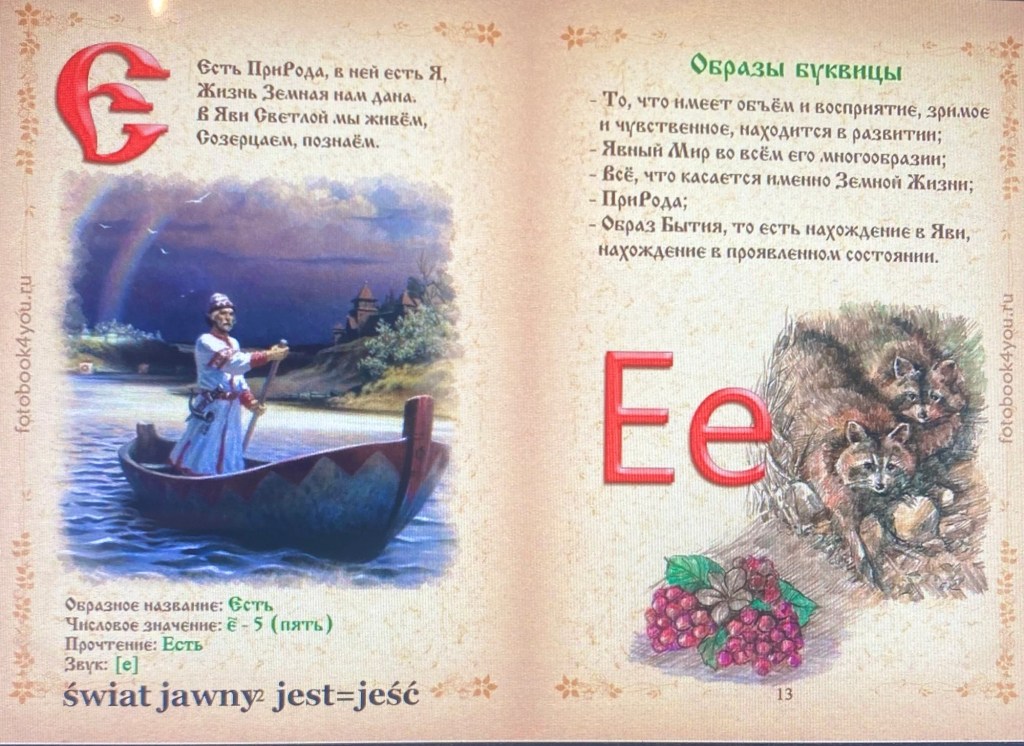
Importance for the Old Church Slavonic Language
The Old Church Slavonic language, used mainly for liturgical purposes, was the first written Slavic language. The early Cyrillic alphabet made it possible to translate the Bible and other religious texts into this language, which had a huge impact on the development of literature and education among the Slavs. Thanks to this alphabet, Christianity could spread among the Slavic peoples, helping to strengthen their religious and cultural identity.
Development and Adaptation
Over time, the Cyrillic alphabet was adapted and modified by various Slavic peoples. The early Cyrillic alphabet, although changed, formed the basis for modern alphabets used in Russia, Bulgaria, Serbia and other countries. The evolution of the writing was driven by the need to adapt it to local dialects and changing social needs.
Cyrillic Heritage
The early Cyrillic alphabet not only replaced the Glagolitic alphabet, but also became the foundation for the development of writing and education in the Slavic world. Thanks to this alphabet, cultural and religious texts could be transmitted and understood by wide circles of society. The Cyrillic alphabet contributed to strengthening a common identity among the Slavic nations, enabling the development of literature, science and art.
Early Cyrillic, as the original version of the Cyrillic alphabet, played a key role in the history of Slavic languages. Created by the disciples of Cyril and Methodius, it became a tool for spreading Christianity and culture among the Slavs. Replacing the complicated Glagolitic alphabet, the Cyrillic alphabet enabled the development of literature and education, influencing the formation of national and religious identity. Today, its legacy is visible in the numerous alphabets used in Slavic countries, testifying to its lasting influence on the culture and history of the region.

Stained glass sandblasted, painted, fired @monikaykaczyk








Leave a comment