
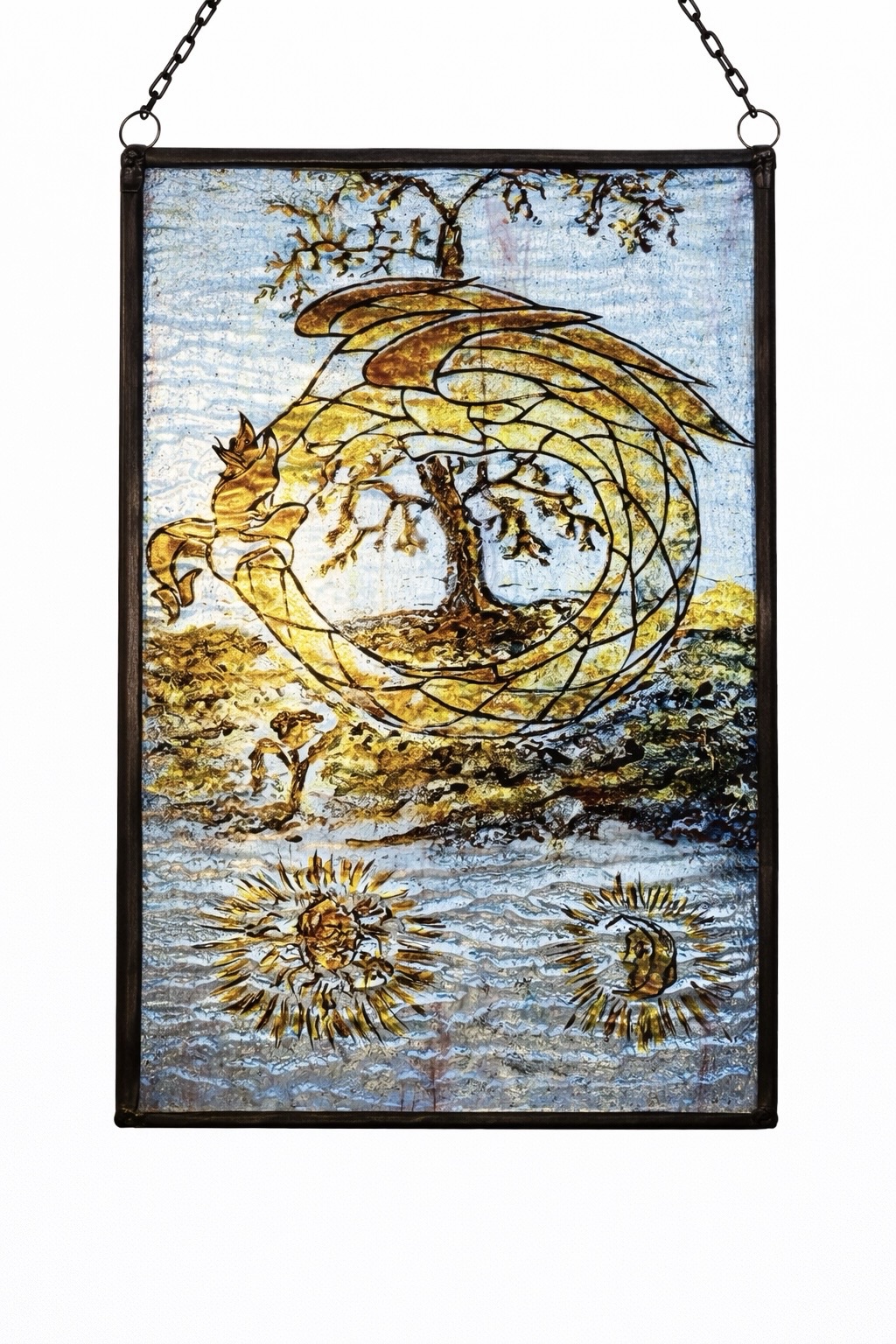
On this glass panel, a dragon emerges from swirling mist like a guardian between two worlds. The golden line dividing the composition is a gate, a threshold that cannot be crossed without courage. On one side there is still chaos and shadow; on the other, a space of light begins, into which the dragon leads only those who dare to trust their own inner strength.
The Year of the Dragon is one of the most revered and auspicious signs in the Chinese zodiac, celebrated for its power, strength, and mythical allure. According to the Chinese lunar calendar, the Dragon is the fifth animal in the 12-year cycle, and individuals born in a Dragon year are believed to inherit its formidable traits.
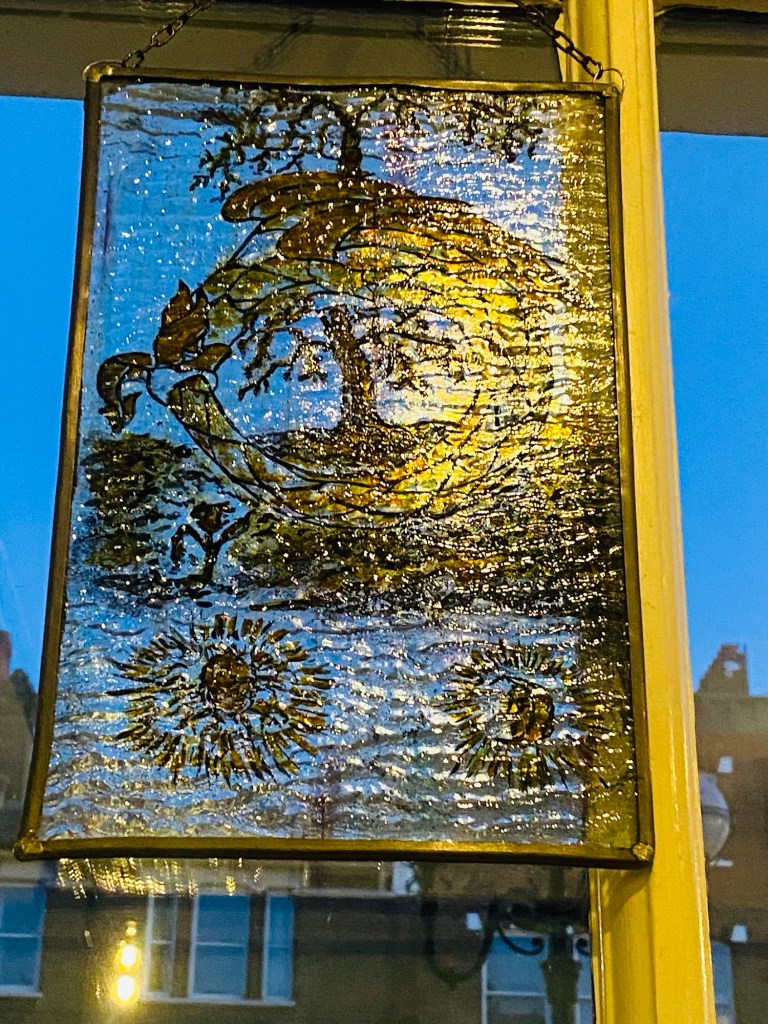
Dragons in Chinese culture are seen as potent symbols of authority, dignity, honor, success, and capacity. Unlike the fearsome, fire-breathing creatures of Western myth, Chinese dragons are considered benevolent beings associated with water and the heavens. They are believed to bring good fortune and are often depicted controlling the elements of wind and rain.
People born in the Year of the Dragon (such as 2000, 2012, and 2024) are said to be confident, intelligent, enthusiastic, and ambitious. They are natural leaders, often taking on roles that require charisma and creativity. However, their strong personalities can sometimes come across as arrogant or demanding.
Celebrations and Traditions
During the Year of the Dragon, celebrations across China and other East Asian countries are particularly vibrant. The dragon dance, performed with a long, flexible dragon figure, is a staple of Chinese New Year festivities, symbolizing prosperity and good luck for the coming year. In Feng Shui, dragon imagery is often used to attract wealth and energize homes and businesses.
The Dragon’s Influence
The influence of the Dragon extends beyond individuals born in its year. The energy and spirit of the Dragon year inspire people to pursue their goals with renewed vigor and optimism. It is a time for bold moves and dynamic changes, encouraging everyone to harness their inner power and achieve their highest aspirations.
Ouroboros: The Dragon Eating Its Tail
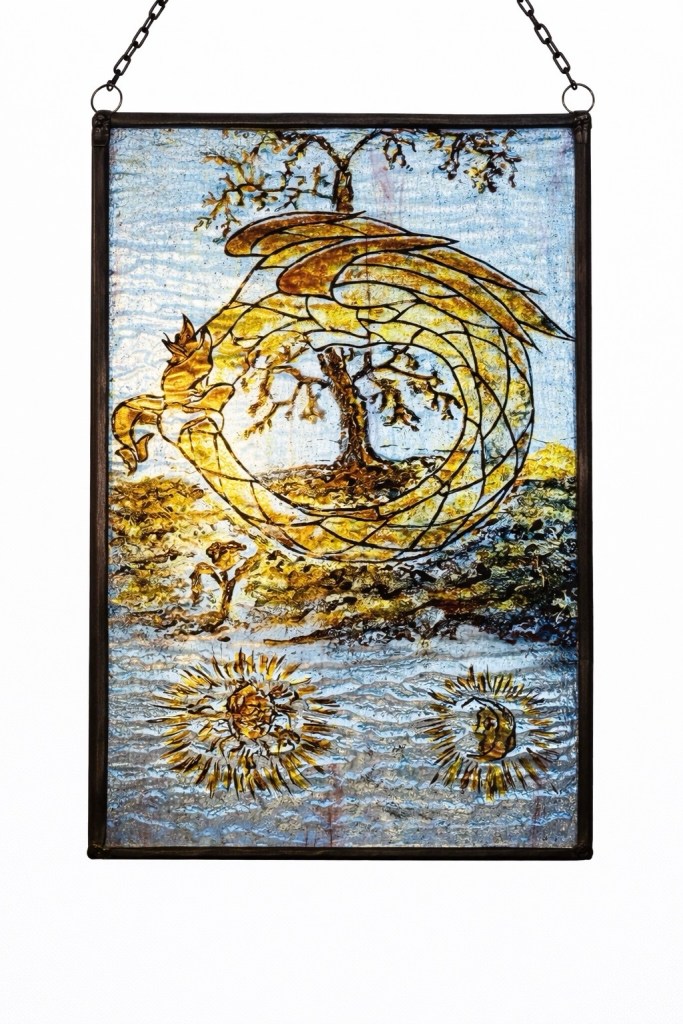
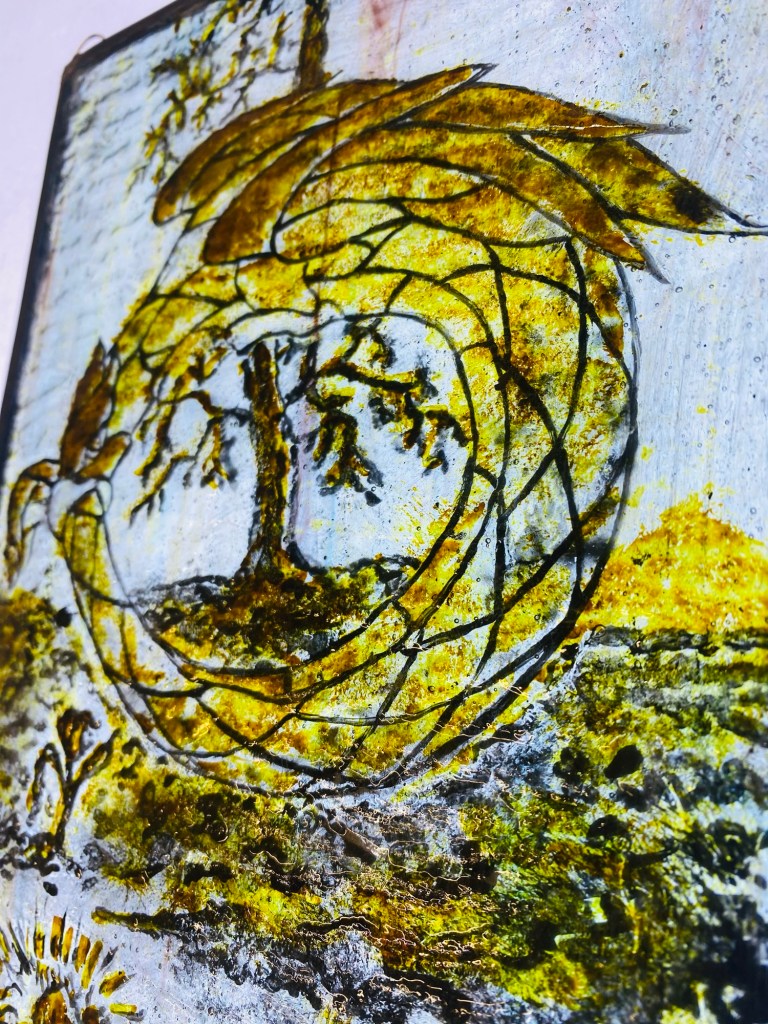
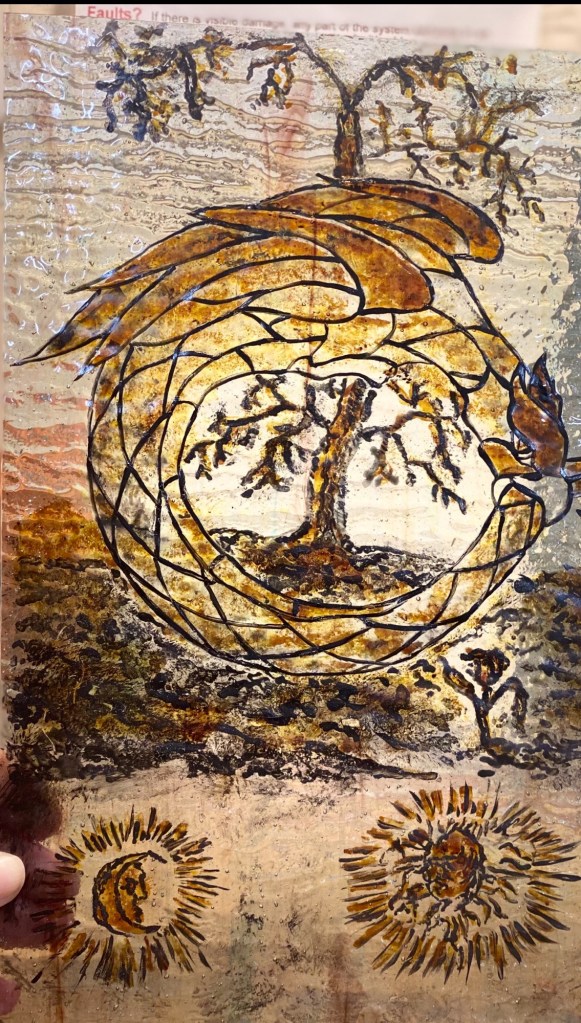
The image of a dragon eating its own tail, known as Ouroboros, is a powerful symbol that has appeared in various cultures and mythologies throughout history. This enigmatic figure represents the eternal cycle of life, death, and rebirth, embodying the idea of infinity and the interconnectedness of all things.

Stained glass sandblasted, painted, fired @monikaykaczyk
Historical and Cultural Significance
The Ouroboros is one of the oldest mystical symbols in the world, with origins traced back to ancient Egypt and Greece. In Egyptian mythology, it was often associated with the sun god Ra and the cyclic nature of existence. The Greeks, particularly in their alchemical traditions, saw it as a representation of the cyclical process of creation and destruction, integral to their understanding of the cosmos.
Symbolic Meanings
At its core, the Ouroboros symbolizes the unity of opposites: life and death, creation and destruction, beginning and end. It is a visual metaphor for the idea that life sustains itself through perpetual cycles of transformation. This symbol has been adopted in various esoteric traditions, including Gnosticism, Hermeticism, and modern spiritual practices, to denote the infinite nature of the universe and the perpetual renewal of life.

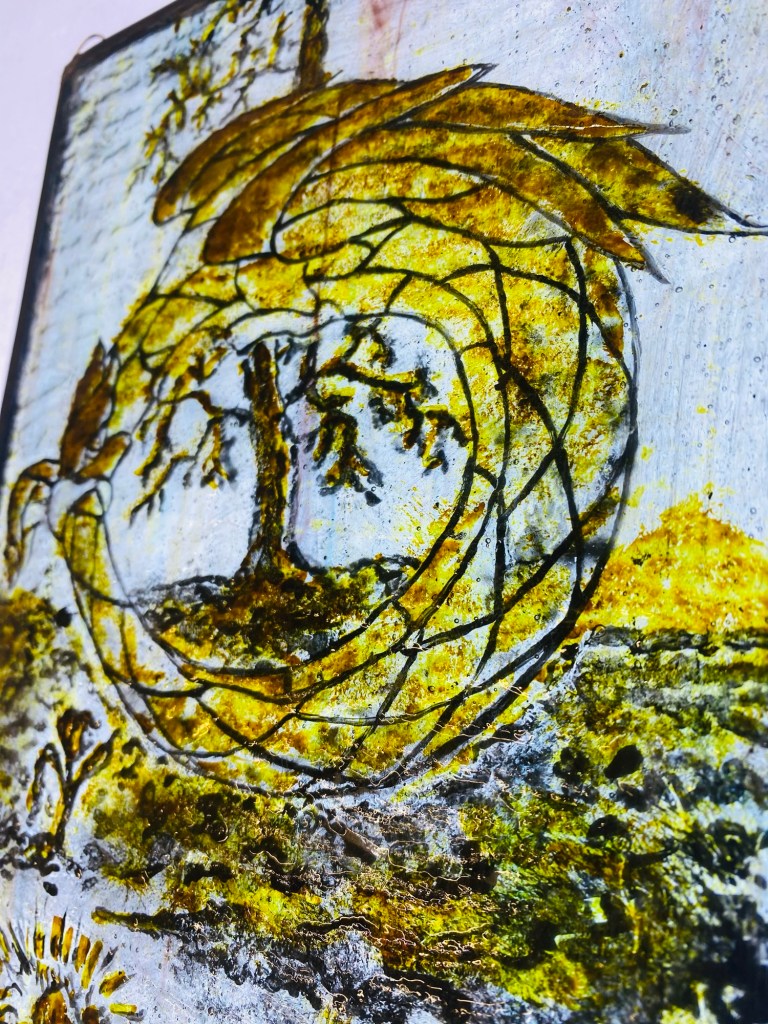
Stained glass sandblasted, painted, fired @monikaykaczyk
Modern Interpretations
In contemporary culture, the Ouroboros continues to be a potent symbol of self-reflection, resilience, and the transformative nature of life. It is often used in literature, art, and philosophy to explore themes of regeneration and the continuity of existence. The concept of the Ouroboros encourages individuals to embrace change and understand that every ending is a new beginning.
Trees and the Sun and Moon: Nature’s Celestial Dance
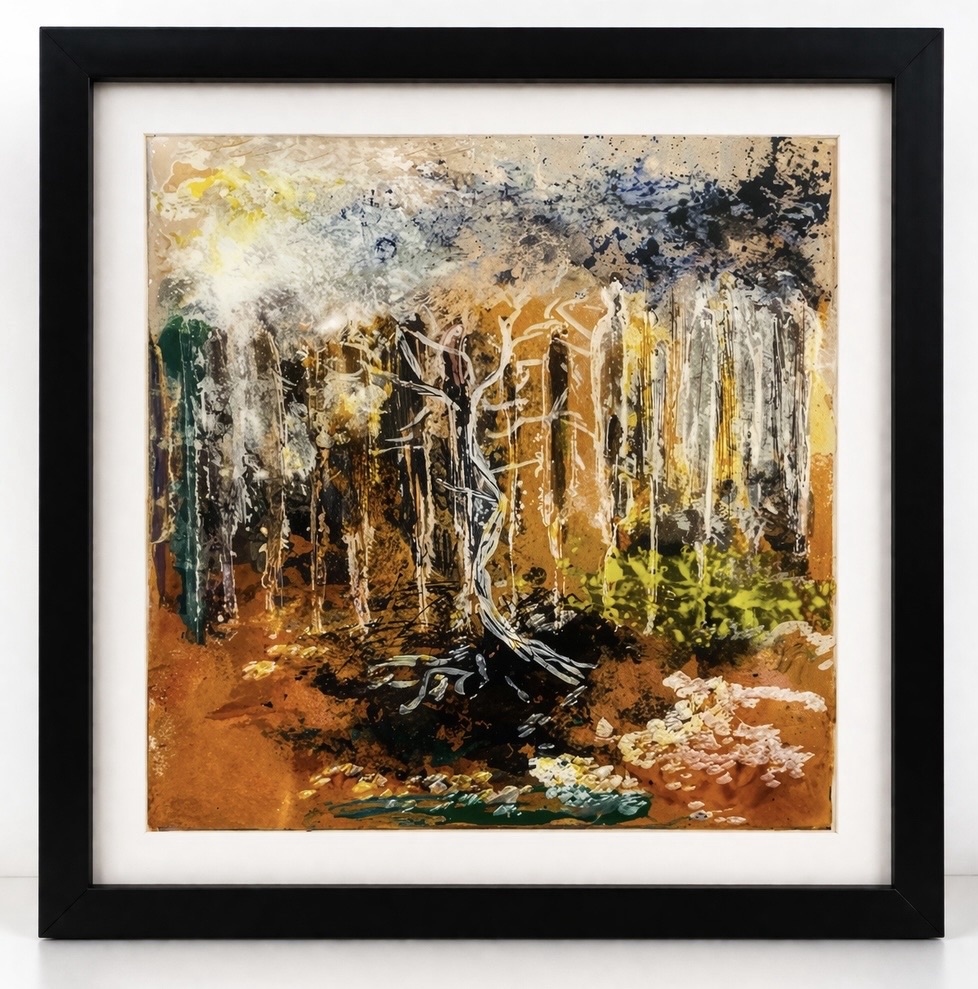
Trees have long been symbols of life, growth, and stability, deeply rooted in the earth while reaching towards the sky. Their connection with the sun and moon creates a compelling narrative of the natural world’s harmony with celestial cycles.
The Sun and Trees: A Vital Relationship
The relationship between trees and the sun is fundamental to life on Earth. Through the process of photosynthesis, trees convert sunlight into energy, producing oxygen and sustaining life. This miraculous process not only supports the growth of trees but also maintains the balance of the ecosystem, making trees indispensable to the planet’s health.
The sun’s journey across the sky influences the growth patterns and seasonal behaviors of trees. During the spring and summer months, longer days and increased sunlight stimulate growth and the production of leaves, flowers, and fruits. In autumn, the decreasing daylight triggers the shedding of leaves, preparing the trees for the dormant winter season.
The Moon and Trees: Subtle Influences
While the sun’s impact on trees is direct and visible, the moon’s influence is more subtle and mystical. The lunar cycle has been observed to affect the behavior of plants and trees, guiding traditional agricultural practices and gardening folklore. For instance, many cultures believe that certain phases of the moon are ideal for planting, pruning, and harvesting.
The gravitational pull of the moon also affects the movement of water within the soil and the sap within trees, subtly influencing their growth and health. Full moons, in particular, are often associated with increased sap flow, which can impact the best times for harvesting timber or tapping trees for syrup.
Cultural and Mythological Connections
In various mythologies, trees are often linked to celestial bodies, symbolizing the connection between heaven and earth. The World Tree or Tree of Life is a common motif, representing the axis mundi or the center of the world connecting the physical and spiritual realms. In many traditions, the sun and moon are seen as divine entities that govern the cycles of life and nature, with trees acting as intermediaries that bridge the cosmic and terrestrial.
The interplay between trees, the sun, and the moon highlights the intricate web of relationships that sustain life on Earth. By understanding and respecting these connections, we can appreciate the profound beauty and balance inherent in nature, fostering a deeper connection with the world around us.



Leave a comment