
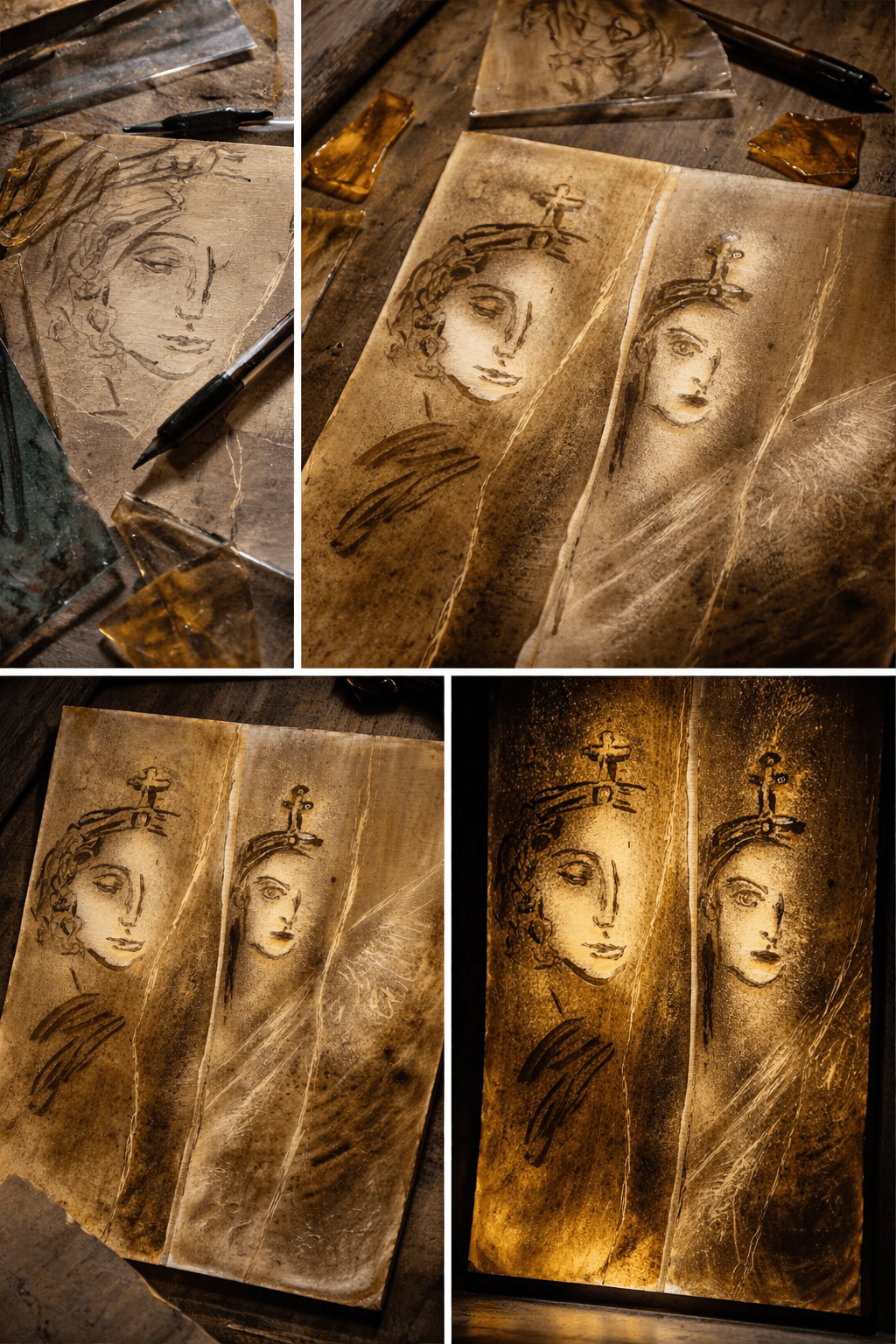
Stained glass has fascinated people for centuries. From the monumental windows of medieval cathedrals to contemporary glass art, the medium has always carried a unique relationship with light.
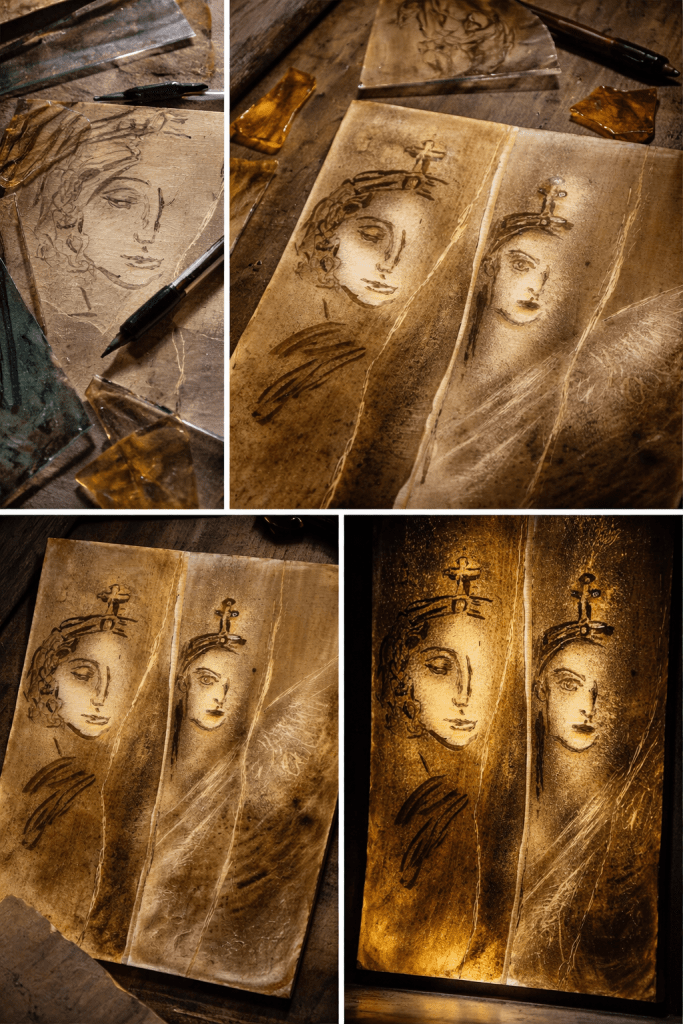
Although the finished work may appear delicate and effortless, the creation of a stained glass artwork involves a precise and demanding process. Each stage requires both technical control and artistic intuition.
1. The First Idea: Concept and Sketch
Every glass artwork begins with an idea.
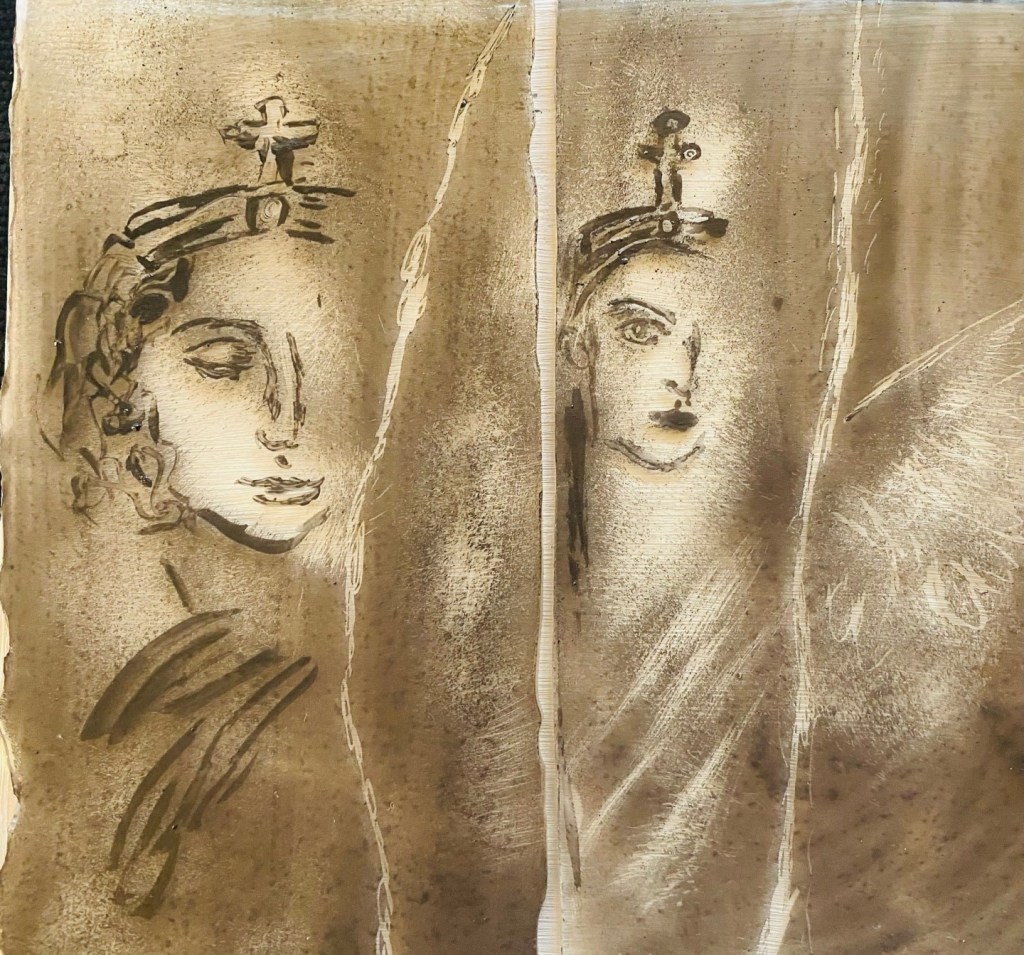
Sometimes the inspiration comes from a symbolic theme, an emotional state, or the movement of light itself. Before any glass is cut or painted, the concept must first take form on paper.
Initial sketches explore composition, balance, and the relationship between shapes. At this stage the artist also begins to think about how light will interact with the piece, which areas should remain transparent, and where colour should become more intense.
The sketch acts as a blueprint for the entire process.
2. Selecting the Glass
Choosing the right glass is one of the most important decisions.
Different types of glass behave very differently when light passes through them. Some are highly transparent, while others contain textures, subtle colour variations, or bubbles that create unique visual effects.
In contemporary glass art, artists often combine several types of glass to create depth and complexity within the work.
3. Cutting and Shaping
Once the design is finalised, the shapes are transferred to the glass.
Using a glass cutter, each element is carefully scored and then broken along the scored line. Precision is crucial here, because every piece must fit perfectly with the others.
Even a small error can affect the final composition.
After cutting, the edges are often refined using grinding tools to ensure a precise fit.
4. Painting on Glass
In many stained glass works, colour and detail are added through painting.
Special glass paints and stains are applied to the surface using brushes or other tools. These pigments are designed to fuse permanently with the glass during firing.
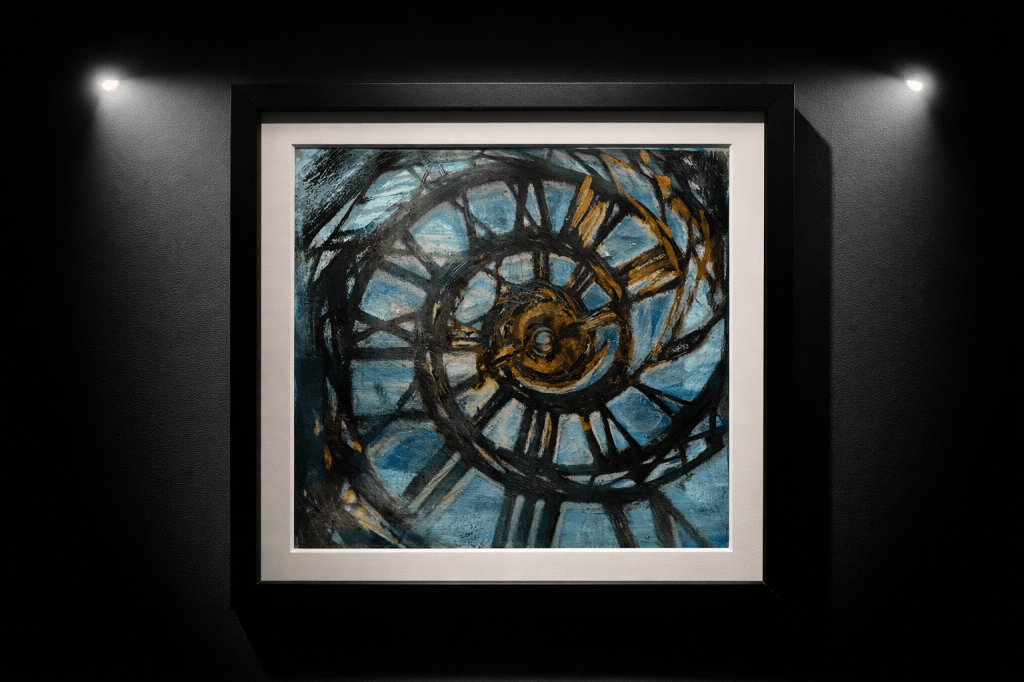
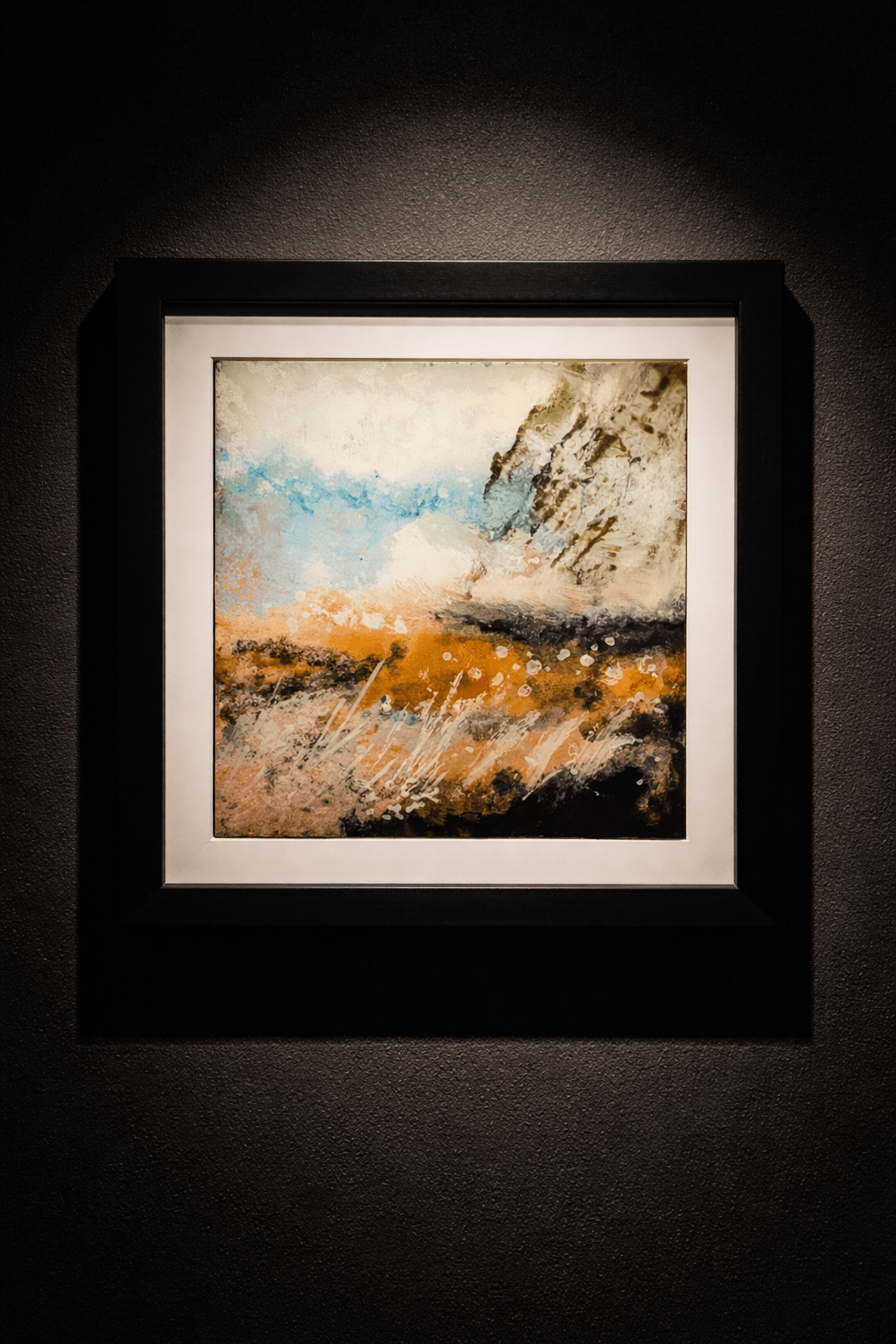
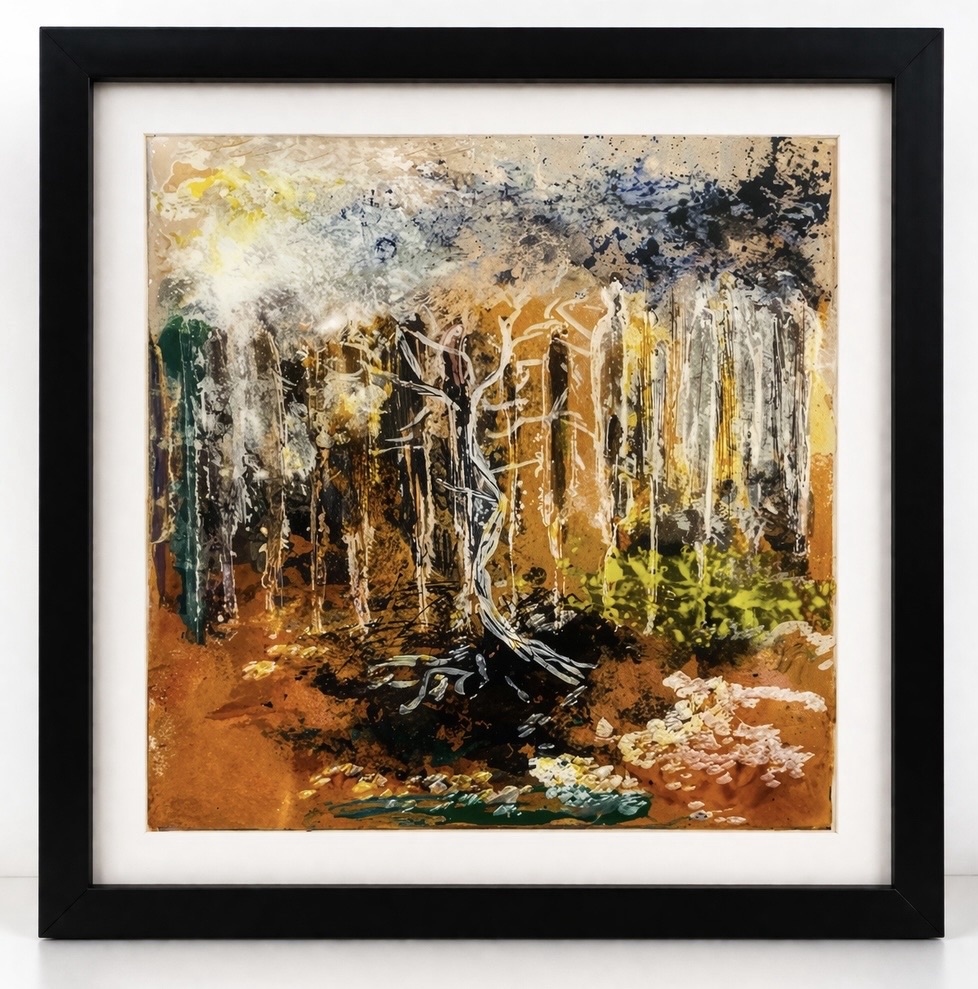
This stage allows the artist to introduce shading, texture, and expressive marks that would be impossible to achieve through coloured glass alone.
5. Kiln Firing
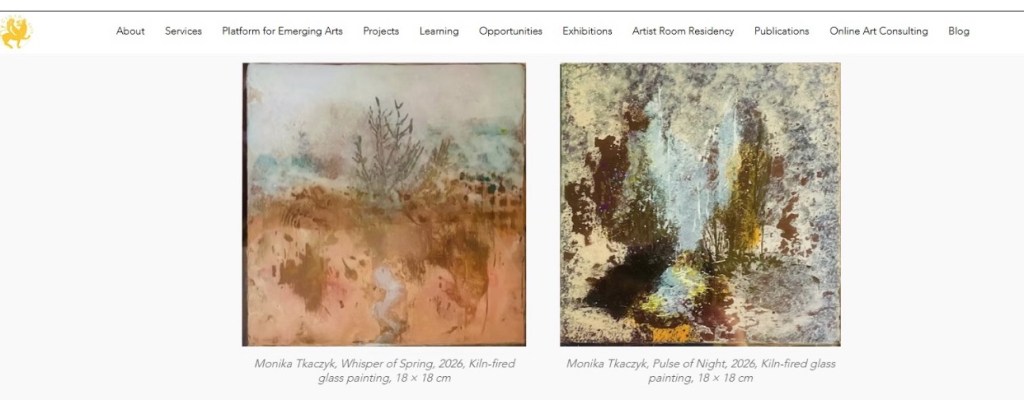
Once the painting is complete, the glass must be fired in a kiln.
During firing, the temperature rises to several hundred degrees Celsius, allowing the pigments to fuse into the glass surface. After cooling, the paint becomes permanent and resistant to fading.
Multiple firings are sometimes required to build layers of detail and depth.
6. Assembly
Finally, the individual pieces are assembled.
Traditionally this is done using lead cames, thin strips of lead that hold the glass pieces together. In contemporary work, artists may also use copper foil or other structural methods depending on the desired effect.
At this stage, the separate elements become a single unified artwork.
The Role of Light
What makes stained glass truly unique is that the work is never static.
Light passing through the glass animates the colours and transforms the image throughout the day. The artwork changes depending on its environment, creating a dynamic experience for the viewer.
Because of this, working with glass means designing not only the image itself, but also the way light will interact with it.
Stained glass sits at the intersection of craftsmanship, science, and artistic expression. It requires patience, precision, and a deep understanding of material.
Yet when all the elements come together, the result is something extraordinary: an artwork that lives through light.




Leave a comment