
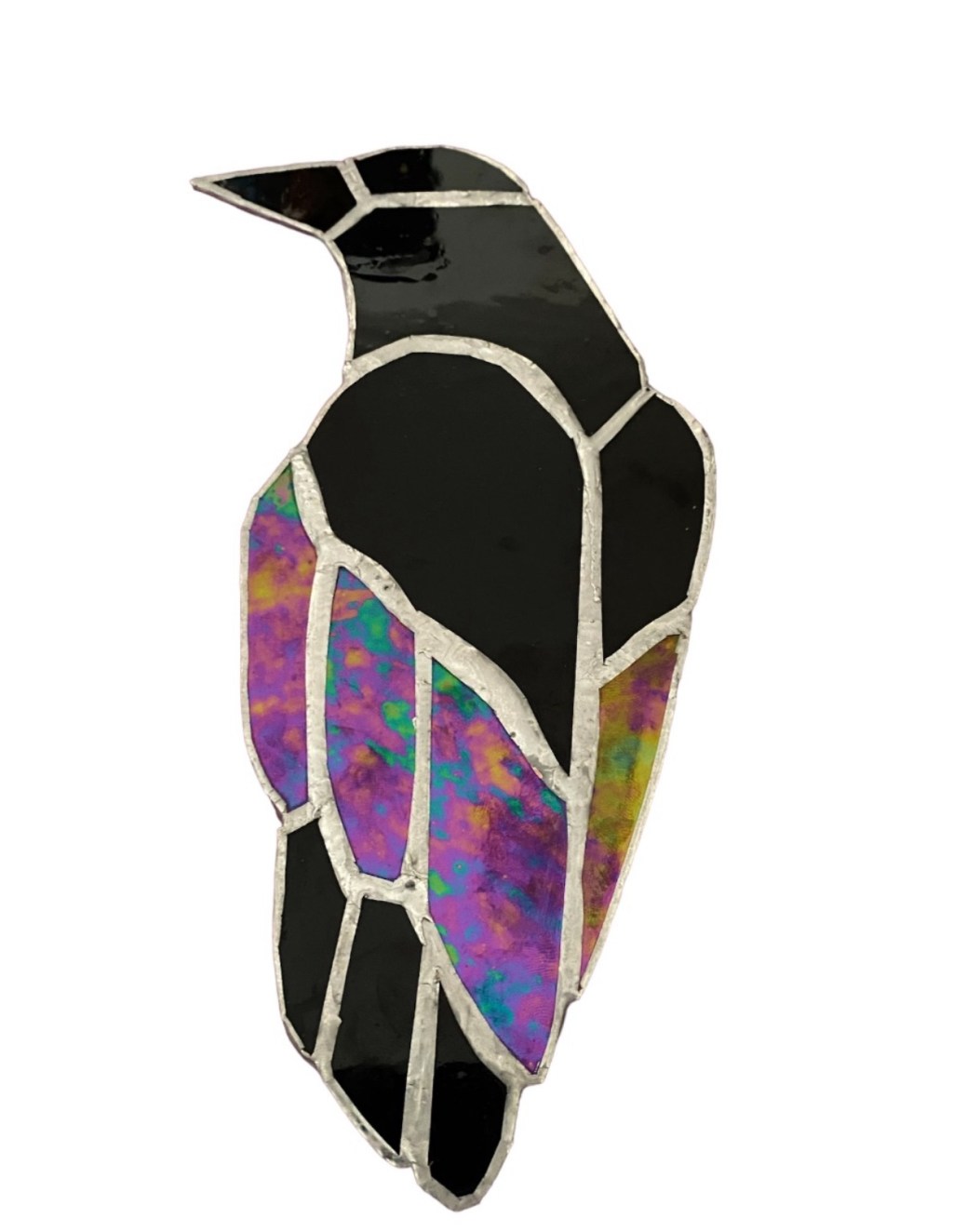
Crows, members of the corvid family which also includes ravens, magpies, and jays, have long fascinated humans with their intelligence and complex behaviors. Often depicted as cunning tricksters in mythology and folklore, modern science has confirmed that these birds possess cognitive abilities that rival those of great apes and young children.
Problem-Solving Skills
One of the most striking demonstrations of crow intelligence is their problem-solving ability. Crows have been observed using tools in the wild—an ability once thought to be uniquely human. They fashion sticks into hooks to extract insects from tree bark and use leaves to gather water. In captivity, they’ve solved complex puzzles involving multiple steps and tools, sometimes figuring out tasks that human children find challenging.

Tool Use and Manufacture
Crows don’t just use tools; they make them. The New Caledonian crow, for example, is known for its sophisticated tool-making skills. These birds create hooked tools from twigs, leaves, and even their own feathers to extract insects from hard-to-reach places. This ability to manufacture and use tools highlights a level of understanding and forethought rarely seen in the animal kingdom.

Social Learning and Culture
Crows are social learners, meaning they observe and imitate the actions of others. This capability allows them to pass on knowledge through generations, contributing to what can be described as crow culture. In some regions, crows have been seen dropping nuts onto roads so cars will crack them open, a behavior learned and spread through their community. They have also been observed modifying these behaviors based on the effectiveness of different techniques, demonstrating adaptability and innovation.
Memory and Recognition
The memory of crows is another testament to their intelligence. They can remember human faces and hold grudges against those who have wronged them. In scientific experiments, crows have recognized and remembered researchers who captured them, even after several years. This ability extends to positive interactions as well; crows have been known to bring gifts to humans who feed them regularly.
Communication and Social Structure
Crows possess a complex system of communication, with a variety of calls and gestures that convey different messages. They use these to coordinate with each other, warn of danger, and even deceive. Their social structure is equally complex, involving intricate hierarchies and long-term bonds. Crows engage in cooperative breeding, where family members help raise the young, illustrating their strong social cohesion.
Research has shown that crows can understand abstract concepts like numbers and even basic physics. In a famous study, crows were able to understand the concept of volume displacement, choosing stones that would raise the water level high enough to retrieve a floating treat, demonstrating an understanding of cause and effect that parallels that of young children.
Ethical and Environmental Implications
The intelligence of crows challenges us to reconsider our relationship with them and other wildlife. Recognizing their cognitive abilities urges a greater respect for their habitats and well-being. It also raises ethical questions about the treatment of animals traditionally viewed as pests. By understanding and appreciating the mental lives of crows, we can foster a more compassionate and informed approach to wildlife conservation.
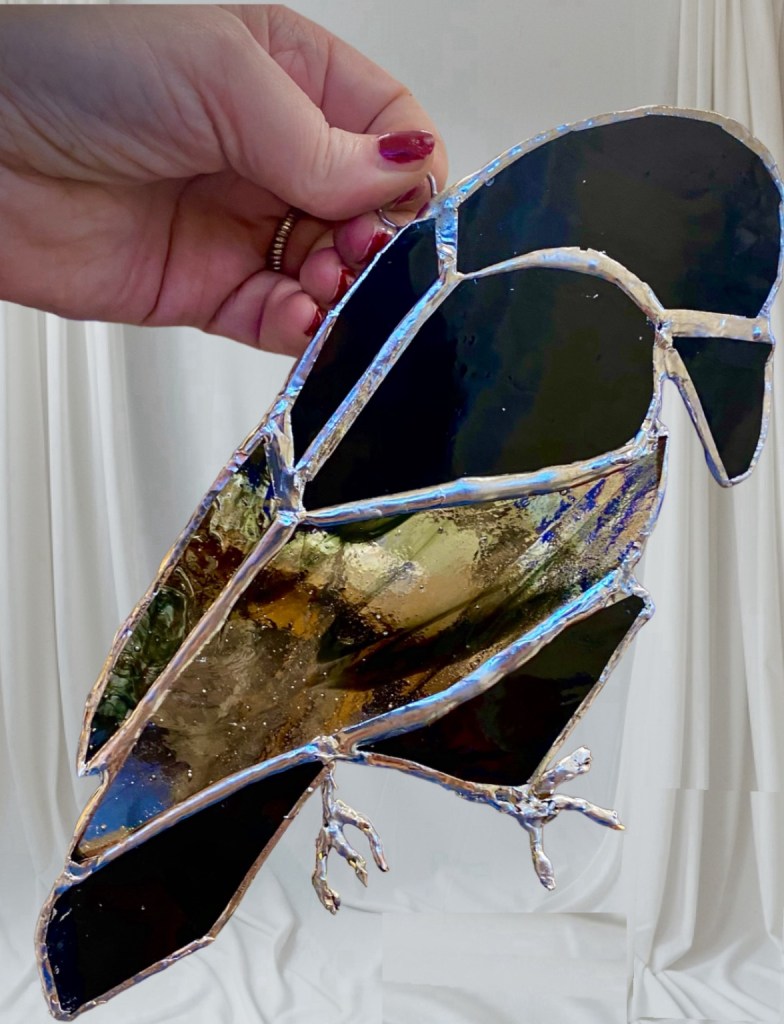
Crows are not merely the harbingers of doom or tricksters of lore; they are complex, intelligent beings capable of sophisticated thought and behavior. Their problem-solving skills, tool use, social learning, memory, communication, and abstract thinking all point to a remarkable intelligence that continues to astound researchers. As we uncover more about these feathered geniuses, we gain insight not only into their world but also into the broader tapestry of animal cognition. Crows, it seems, are more than just birds—they are nature’s feathered geniuses, deserving of admiration and respect.







Leave a comment